Fabrication article
Custom Metal Fabrication: Understanding Costs and Factors
Understand how material, geometry, tolerances, quantity, tooling, welding, finishing, inspection, and delivery affect custom metal fabrication cost.
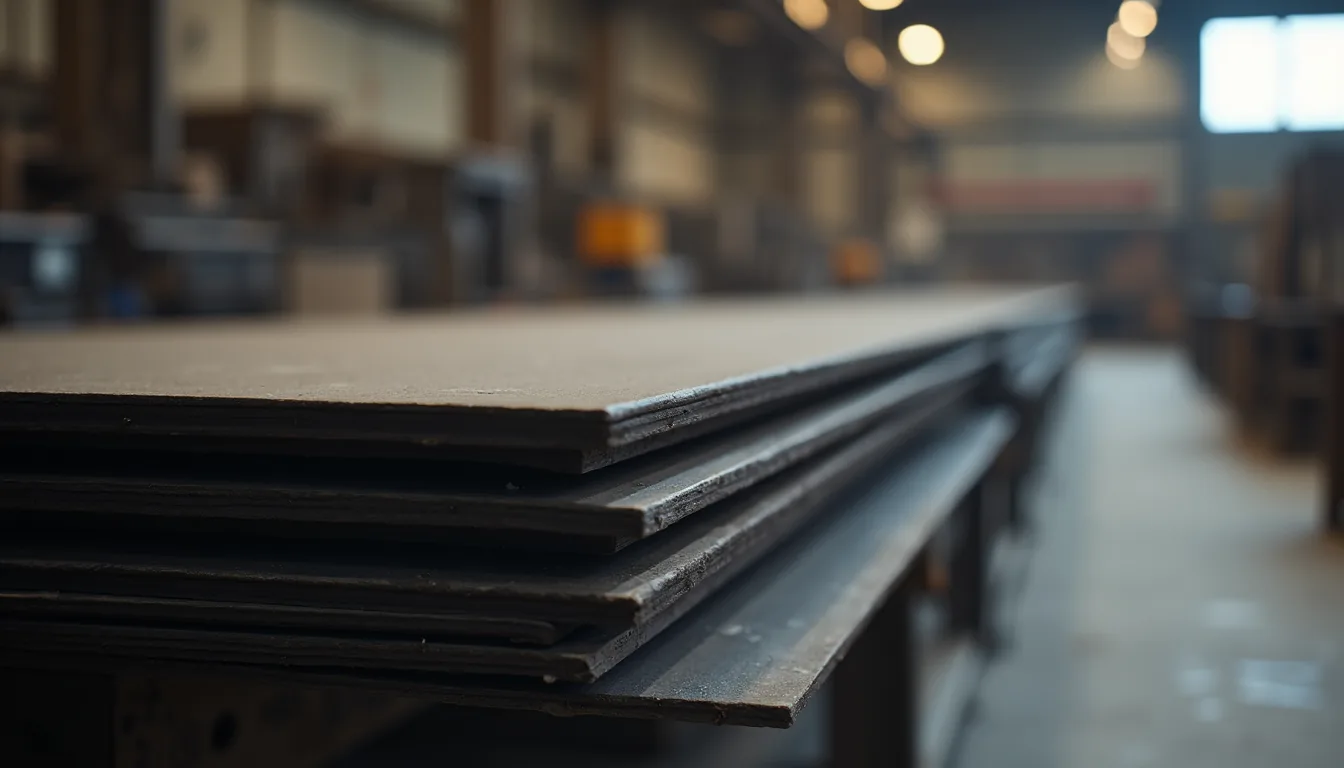
Custom metal fabrication pricing follows the manufacturing route, not a single shop rate. Material specification and purchase size, part geometry, tolerance, quantity, setup, programming, tooling, cutting, forming, machining, welding, inspection, finishing, assembly, packaging, freight, and schedule can all affect a quote. A complete RFQ makes those drivers visible and reduces assumptions.
What Drives the Cost of Custom Metal Fabrication?
The most useful cost review starts with the released part or assembly requirements and identifies which features create material, setup, processing, inspection, finishing, or logistics work. The same nominal part can price differently when grade, thickness, tolerance, quantity, documentation, or delivery changes.
Material Type: Metals like stainless steel, aluminum, and carbon steel vary in price. Stainless steel is often more expensive due to its corrosion resistance and durability. Aluminum is lightweight but can cost more depending on the grade.
Design Complexity: Simple shapes and standard sizes cost less. Intricate designs with tight tolerances require advanced machinery and skilled labor, increasing expenses.
Production quantity: setup may be allocated across more pieces, but material purchasing, tooling, cycle time, inspection, finishing, handling, packaging, and capacity can create non-linear price breaks.
Finishing Processes: Coatings, painting, polishing, or heat treatments add to the cost but improve durability and appearance.
Treat these categories as quote inputs rather than universal price rules. The practical cost contribution depends on the complete route and current material and capacity conditions.
Material Selection and Its Impact on Pricing
Material affects purchase cost, yield, forming, welding, machining, finishing, inspection, and service performance. The customer or responsible engineer should specify the required grade, temper or condition, thickness, governing specification, finish, and traceability; Ahner can review manufacturing fit and availability.
Carbon Steel: Affordable and strong, ideal for structural parts. It’s easy to work with but prone to rust without proper finishing.
Stainless Steel: More expensive but offers excellent corrosion resistance. Suitable for parts exposed to harsh environments.
Aluminum: Lightweight and corrosion-resistant, often used in aerospace and automotive industries. Costs vary based on alloy and thickness.
Copper and Brass: Used for decorative or electrical components, generally pricier due to material cost and machining difficulty.
Compare candidate materials against the actual mechanical, environmental, fabrication, finish, certification, and life requirements. A lower raw-material price can be offset by yield, processing, finishing, inspection, or availability, so substitutions require engineering approval.
How Design Complexity Influences Fabrication Costs
The design of a metal part directly affects the fabrication process. Complex designs require more time, specialized equipment, and skilled labor. Here’s what to consider:
Tight Tolerances: Parts that must fit precisely with other components need careful machining and inspection, increasing labor and machine time.
Intricate Shapes: Curves, bends, and cutouts require advanced tools like CNC machines or laser cutters.
Welding and Assembly: Multiple pieces joined together add labor and quality control steps.
Prototyping and Testing: Custom parts often need prototypes, which add upfront costs but reduce risks in mass production.
Manufacturing review can identify features that drive setup, tooling, processing, inspection, or rework risk. Any geometry, tolerance, or material change must preserve the responsible design requirements and be approved through revision control.
Production Volume and Its Role in Cost Efficiency
Quantity influences material purchasing, nesting, setup allocation, tooling, inspection sampling, production method, packaging, and scheduling. Per-piece cost may decrease with repeat quantity, but the relationship is not automatic and can change at material, handling, finishing, or capacity breakpoints.
Low volume: prototypes and short runs may carry a higher setup share per piece; first-article, programming, tooling, and inspection requirements should be quoted explicitly.
Higher volume: repeat quantity can change the practical process and setup allocation, but production rate, tooling, material, quality planning, finishing, packaging, and capacity must be reviewed.
Lot planning: compare the required release quantity, annual usage, storage, revision risk, carrying cost, and supplier price breaks before changing lot size.
Quote the realistic release quantity and, when useful, separate annual usage or future lots. Ahner can compare practical lot assumptions; do not increase quantity solely on a generic volume-discount assumption.
Finishing Techniques and Their Cost Implications
Finishing processes enhance the appearance, durability, and functionality of metal parts. However, they add to the overall fabrication cost. Common finishing options include:
Powder Coating: Provides a durable, attractive finish resistant to chipping and corrosion.
Anodizing: Used mainly for aluminum, it increases corrosion resistance and surface hardness.
Polishing and Buffing: Improves surface smoothness and shine, often required for aesthetic parts.
Heat Treatment: Alters metal properties to improve strength or flexibility.
Each finishing method requires additional equipment, labor, and materials. Weighing the benefits against the added cost is essential to meet both budget and quality goals.
Managing Costs Without Sacrificing Quality
Balancing cost and quality is a challenge in custom metal fabrication. Here are practical tips to manage expenses effectively:
Early Collaboration: Engage fabricators during the design phase to identify cost-saving opportunities.
Material Alternatives: Explore different metals or alloys that meet requirements at a lower price.
Design for Manufacturability: Simplify parts to reduce machining time and complexity.
Batch Planning: Consolidate orders to benefit from volume discounts.
Quality Control: Implement inspections early to avoid costly rework.
By applying these strategies, we can achieve high-quality results while controlling the budget.
Why Partnering with a Local Fabricator Matters
Choosing a local metal fabrication partner offers several advantages:
Distance and freight: proximity may reduce transit distance; quoted manufacturing lead time still depends on material, capacity, approvals, processing, inspection, and finishing.
Communication plan: agree on technical contacts, revision control, approvals, status cadence, and escalation regardless of supplier location.
Support Local Economy: Investing locally strengthens community businesses.
Scope fit: confirm the shop's actual process, size, material, quantity, quality, documentation, and schedule fit rather than inferring flexibility from geography.
A nearby fabricator can reduce travel or freight distance and make in-person review easier, but lead time, quality, and cost still depend on capability fit, released requirements, material, capacity, inspection, finishing, and delivery scope.
Exploring the Cost of Custom Metal Fabrication
Understanding the cost of custom metal fabrication is essential for budgeting and project planning. It involves analyzing material prices, labor, machine time, and finishing processes. By reviewing detailed quotes and comparing options, we can make informed decisions that align with project goals.
Moving Forward with Confidence
A fabrication quote is most useful when it states scope, revision, material, quantity, manufacturing assumptions, exclusions, inspection, finishing, packaging, lead-time basis, and delivery terms. Compare quotes on those elements as well as total price.
Resolve technical and commercial questions before release, then control later changes through documented revisions. Send Ahner the current drawing or CAD model, material, quantity, tolerance, finish, inspection, packaging, and required date for a project-specific quote review.
Clear requirements and comparable quote assumptions give purchasing and engineering teams a stronger basis for a make-or-buy decision.