Metal fabrication capability
Sheet Metal Forming
Quote supported formed sheet metal CAD online, or send drawings for press-brake bending and rolling review. Made by Ahner Industrial in Sandusky, Ohio.
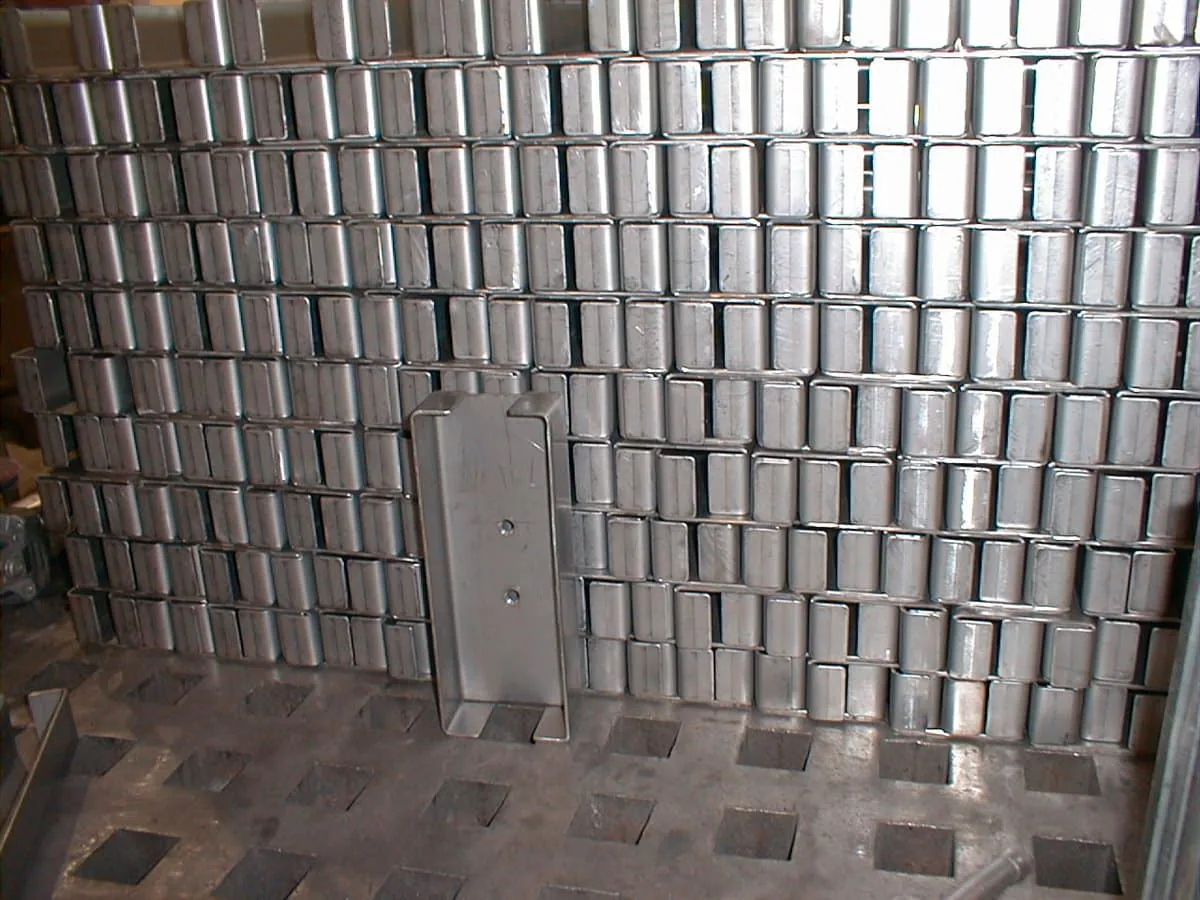
Ahner Industrial provides press-brake forming, metal rolling, and structural-section rolling for brackets, panels, enclosures, rolled shapes, and fabricated components. Project review considers material, thickness, bend geometry, tooling access, radius, flange length, tolerance, quantity, handling, and downstream operations before the forming route is confirmed.
Comprehensive Metal Fabrication Solutions
Our capabilities include a wide array of metal forming processes:
Precision Metal Bending
Metal Rolling
Structural Steel Rolling
Custom Press Brake Forming
Ahner reviews carbon steel, stainless steel, aluminum, galvanized material, and other specified alloys against the exact grade, temper or condition, thickness, bend direction, tooling, radius, surface requirements, and quantity before confirming process fit.
Press-Brake Equipment
Trumpf TruBend 5170(S)
Ahner’s Trumpf press brake supports controlled sheet-metal bending for simple and complex formed parts. Tooling, material, thickness, bend geometry, flange length, grain direction, tolerance, and part handling are reviewed before the forming plan is confirmed.
The Trumpf press brake has a published 187-ton capacity and forming length up to 157 inches. Actual part capacity depends on material, thickness, bend length, tooling, opening, bend radius, flange geometry, and tonnage required for the job.
Cincinnati Press Brakes
Ahner operates two Cincinnati press brakes, including a machine with published 350-ton capacity and a 16-foot reach. Material, bend length, tooling, geometry, required tonnage, and handling determine the machine and forming plan for the part.
The available Trumpf and Cincinnati press brakes cover a broad range of formed-part sizes and tonnage requirements. Each job is reviewed against the drawing, tooling, material behavior, bend sequence, handling needs, and controlled dimensions.
Expert Operators
Ahner’s press-brake operators work from the released drawing and forming plan. Material, tooling, bend sequence, setup verification, inspection method, and any controlled post-form dimensions are reviewed for the specific part rather than guaranteed generically.
Frequently Asked Questions About Our Sheet Metal Forming Services
Q. What is sheet metal forming? A. Sheet metal forming uses bending, rolling, and related operations to turn flat material into brackets, panels, enclosures, transitions, and other components. The practical process depends on material, thickness, geometry, tooling access, bend sequence, tolerance, and quantity.
Q. What metal forming services does Ahner Industrial offer? A. We offer a comprehensive range of services, including precision metal bending, metal rolling, structural steel rolling, and custom press brake forming. These processes enable us to meet diverse fabrication needs for industrial and commercial applications.
Q. Which materials do you work with? A. Ahner reviews carbon steel, stainless steel, aluminum, galvanized material, and other specified alloys for forming. Exact grade, temper or condition, thickness, bend direction, tooling, radius, surface requirements, and quantity determine process fit.
Q. What press-brake capacity does Ahner have? A. Ahner operates a Trumpf TruBend 5170(S) with a published 187-ton capacity and forming length up to 157 inches, plus Cincinnati press brakes including a 350-ton, 16-foot machine. Actual part capacity is confirmed from the material, bend length, tooling, geometry, and required tonnage.
Q. What industries benefit from your sheet metal forming services? A. Our services are trusted by a variety of industries, including construction, automotive, industrial manufacturing, and commercial fabrication. We produce components ideal for applications such as duct work, processing tanks, and mixing tanks, among others.
Q. How can I get a quote or learn more about your services? A. To discuss your project needs or request a free quote, please call us at 419-626-6641 or visit our facility at 2001 E Perkins Ave, Sandusky, Ohio 44870.
Define Fit Before the Flat Pattern
Mark the finished dimensions that control fit, the inside radius, bend direction, and acceptable surface condition. Include material grade, thickness, quantity, and mating-part information; the shop reviews tooling and the forming sequence against those requirements.
For rolled work, identify the section, rolling axis, target radius or diameter, arc or overall length, and required straight ends. A sketch can clarify which dimensions are inside, outside, or on the centerline.